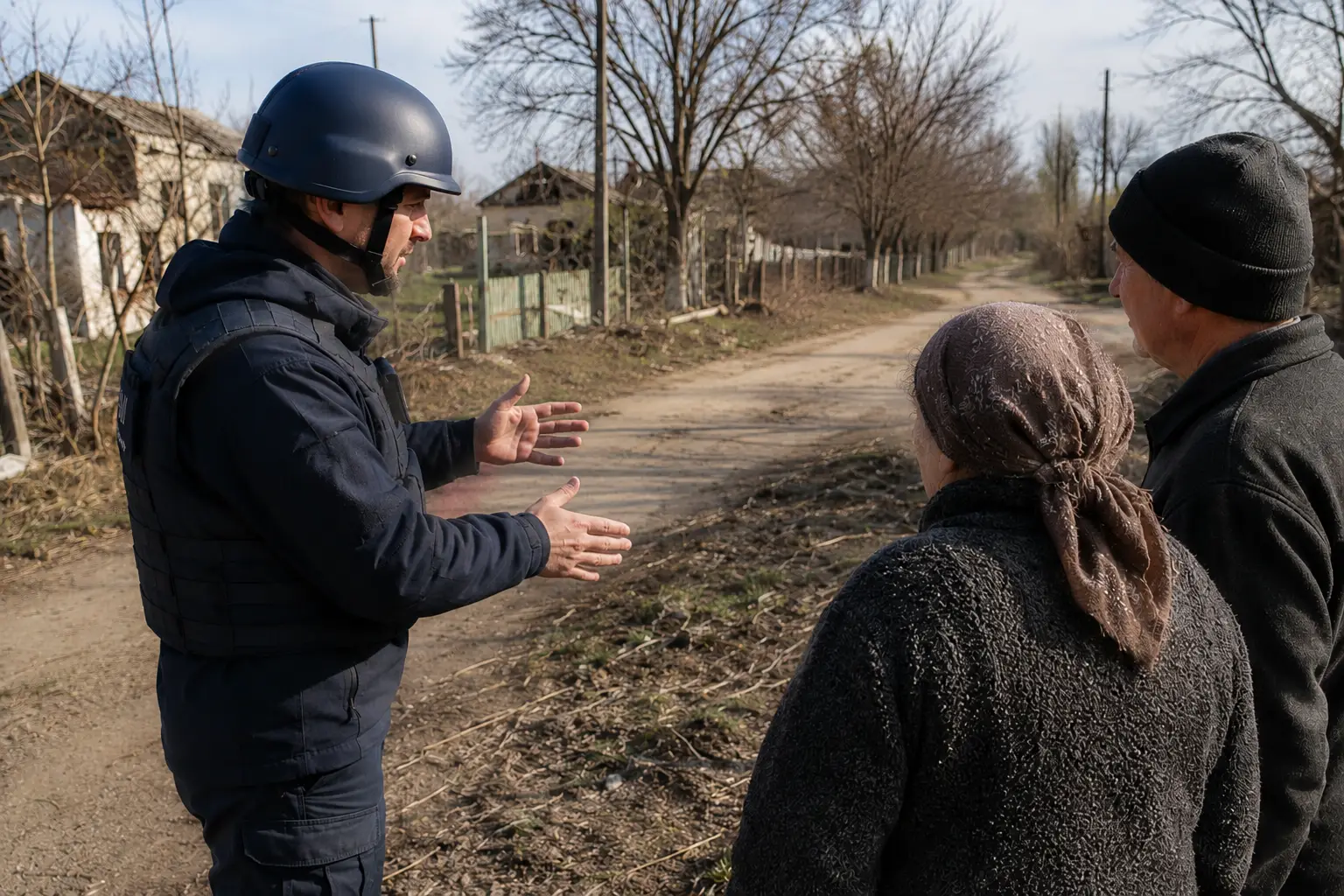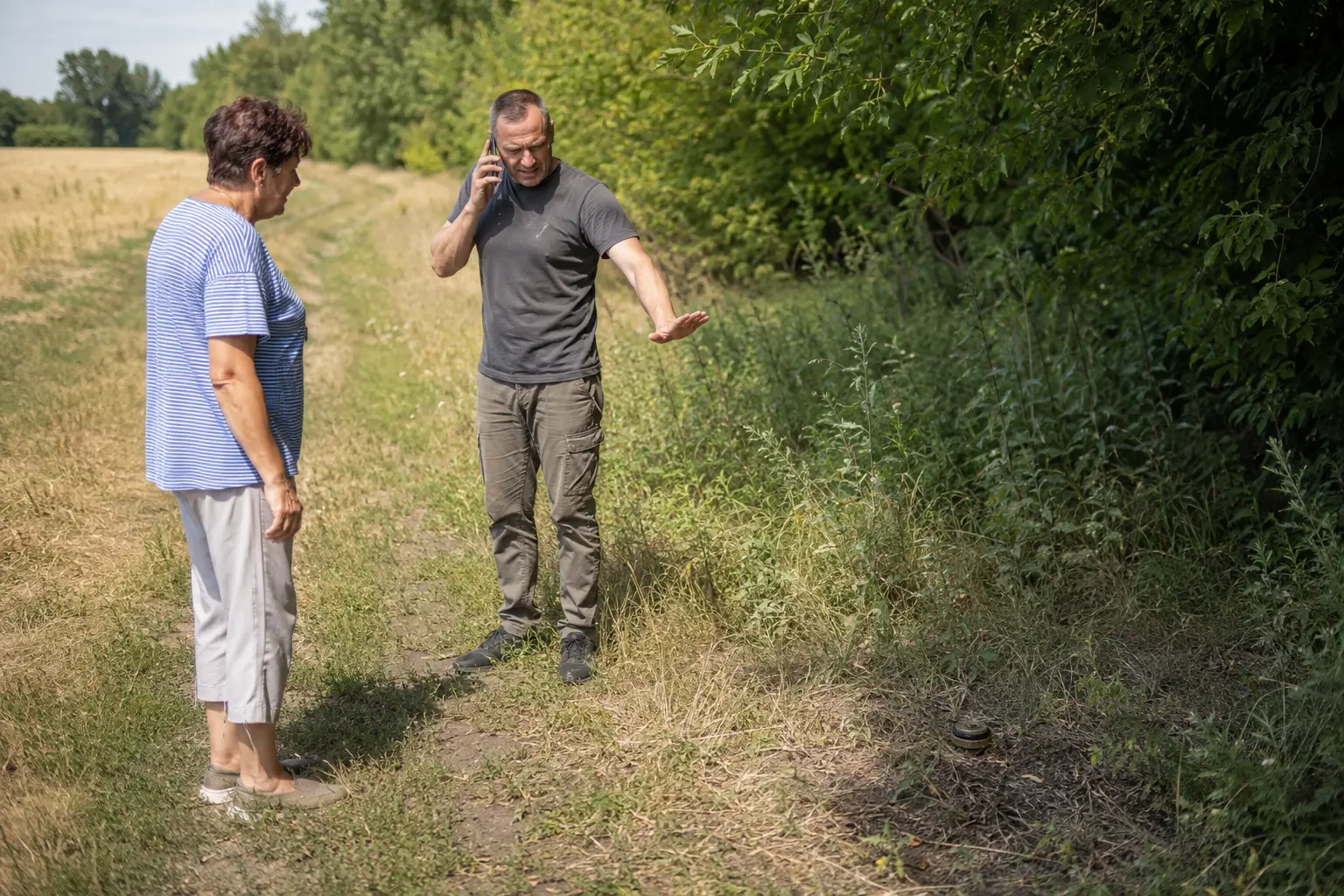
Mine safety risks in Ukraine are evolving together with the nature of explosive threats. Hazardous objects may now be encountered not only in areas directly affected by ground fighting, but also in residential neighbourhoods, parks, near bodies of water and along roads. The third wave of the national “Notice the Changes” campaign focuses on these changing risks.
New threats require greater awareness
Mine contamination remains most severe in frontline areas and territories that were temporarily occupied.
At the same time, aerial attacks create additional risks across the country.
Current threats may include:
- missile fragments;
- drone remnants and unexploded UAVs;
- cluster munitions;
- unexploded ordnance;
- other suspicious objects that may contain explosive components.
The risk is particularly relevant during warmer months, when more people spend time outdoors in forests, near rivers and in open areas.
133,300 square kilometres potentially affected
According to SESU figures cited by UNDP, approximately 133,300 km², or around 21.5% of Ukraine's territory, requires survey and potential clearance.
Since February 2022, explosive ordnance incidents have injured 1,602 people and killed 461 people, including 22 children.
During January–June 2026, the number of explosive ordnance victims increased by 27% compared with the same period in 2025.
These figures demonstrate why public awareness must continue alongside survey and clearance operations.
A simple rule that can save lives
The campaign reinforces a simple response:
Stop. Don't touch. Call 101.
When a suspicious object is discovered, people should avoid approaching or moving it, keep others away from the area and report the hazard to emergency services.
SESU also advises reporting suspicious objects using 101, 102 or 112.
The third campaign wave
“Notice the Changes” was first launched in June 2024 and has used television, radio, outdoor advertising and digital content to promote safer behaviour.
Its second wave focused on seasonal risks, including explosive hazards concealed by fallen leaves or snow. The third wave places additional emphasis on drone remnants, missile debris and cluster munitions.
The first two waves generated more than 87 million views. UNDP reports that awareness of safe behaviour increased by 28%, while recall of emergency number 101 increased by 69%.
Cooperation for civilian safety
The campaign is implemented by BBC Media Action as part of a UNDP project in Ukraine funded by the Government of Japan, with technical support from the State Emergency Service of Ukraine.
Its new materials are being distributed nationally through television, radio, digital platforms and outdoor advertising, with particular attention to frontline and formerly occupied communities.
Knowledge is part of mine action
Clearing contaminated territory takes time. Until hazardous areas have been surveyed and cleared, knowing how to behave safely remains one of the most effective ways civilians can reduce their exposure to risk.
Mine safety awareness is therefore an important part of a broader humanitarian mine action approach.
PSM Ukraine Group supports the dissemination of mine safety information and encourages people never to approach, move or investigate suspicious objects on their own.